- Special Collection
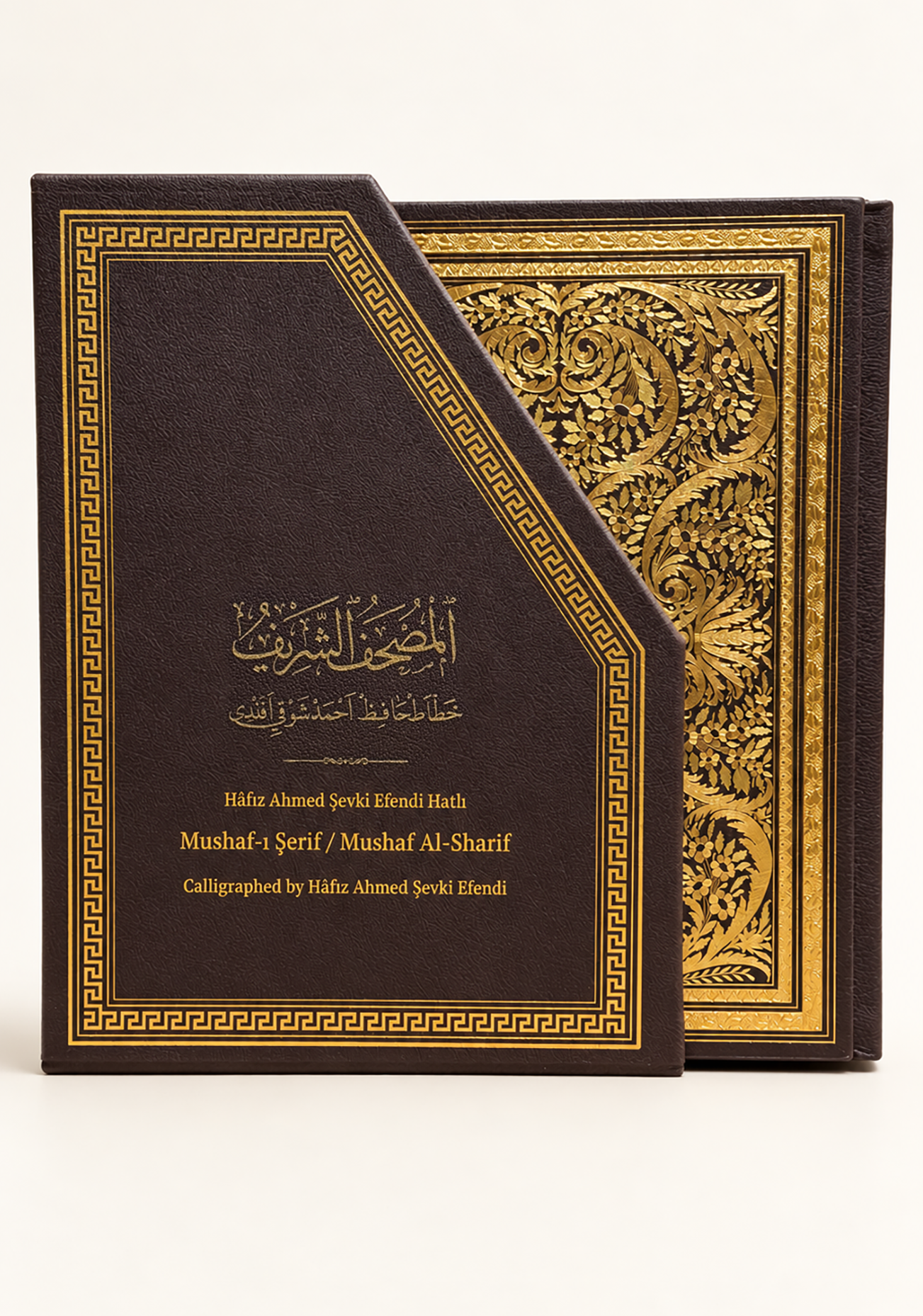
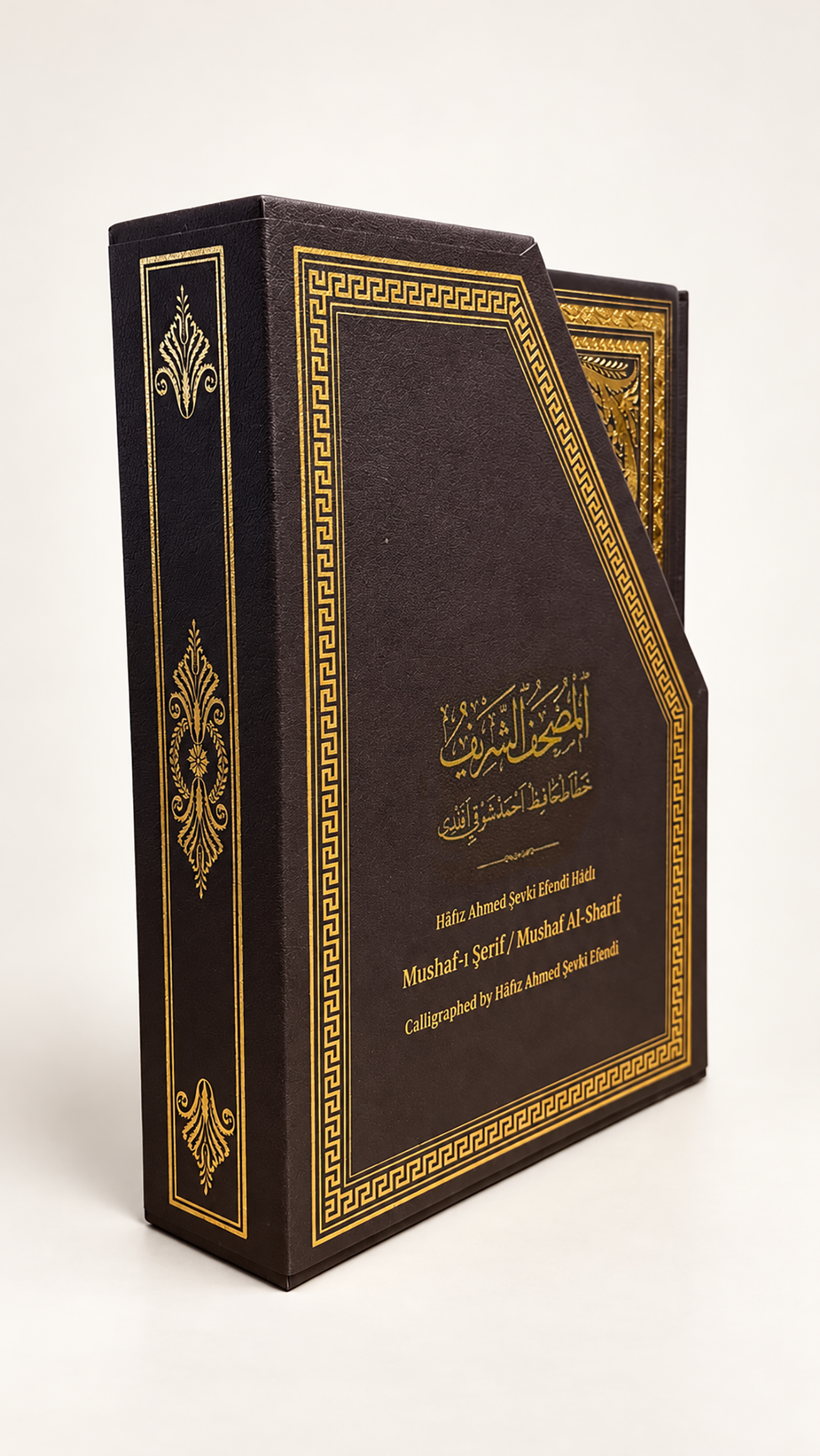
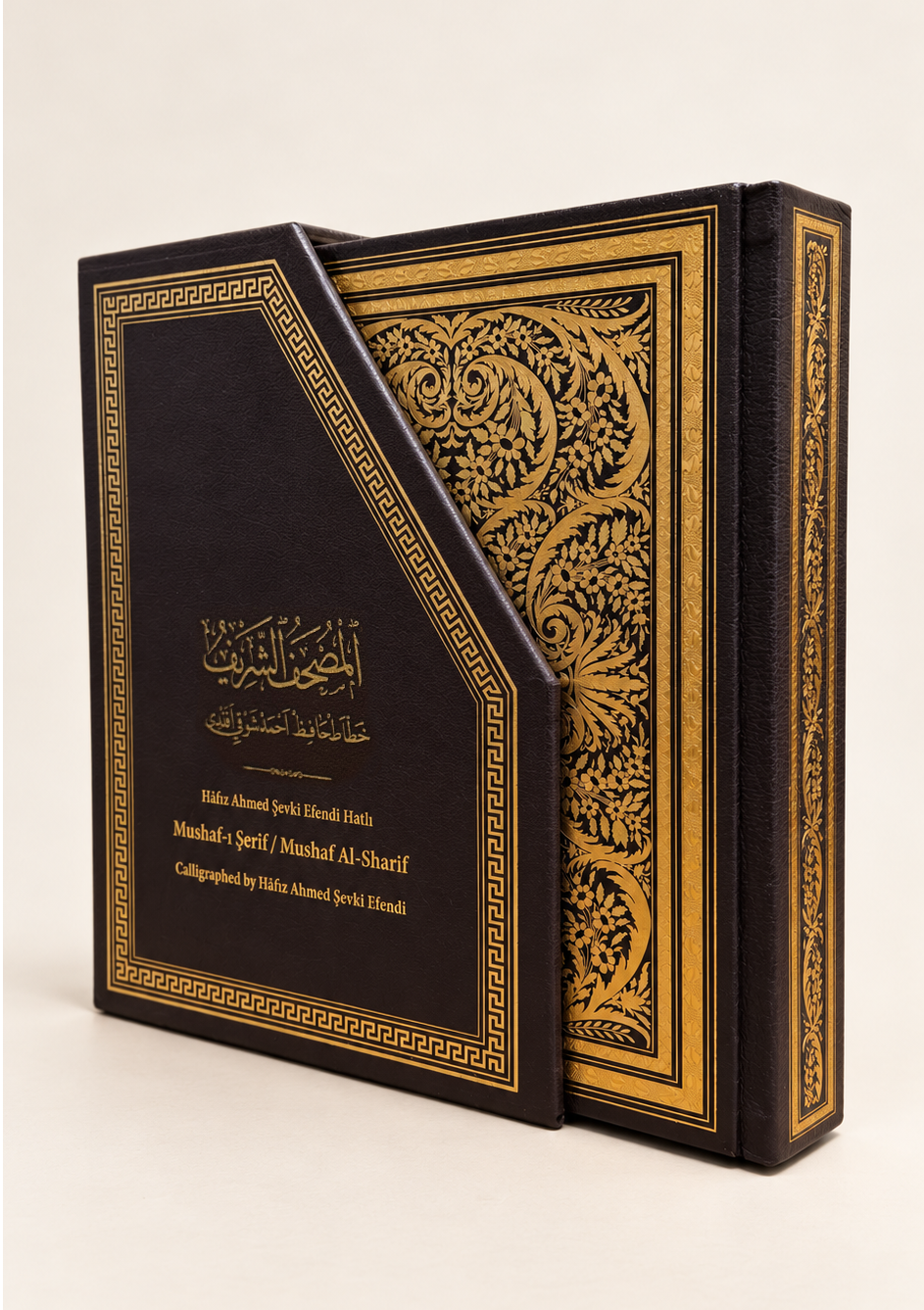
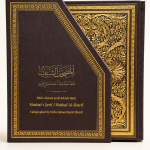
Hâfız Ahmed Şevki Efendi Mushafı | Tevafuklu Mushaf
Calligrapher: Hâfız Ahmed Şevki Efendi (d.1878)
Date Of Mushaf: H.1277 / M.1860
Year Of The Edition: 2026
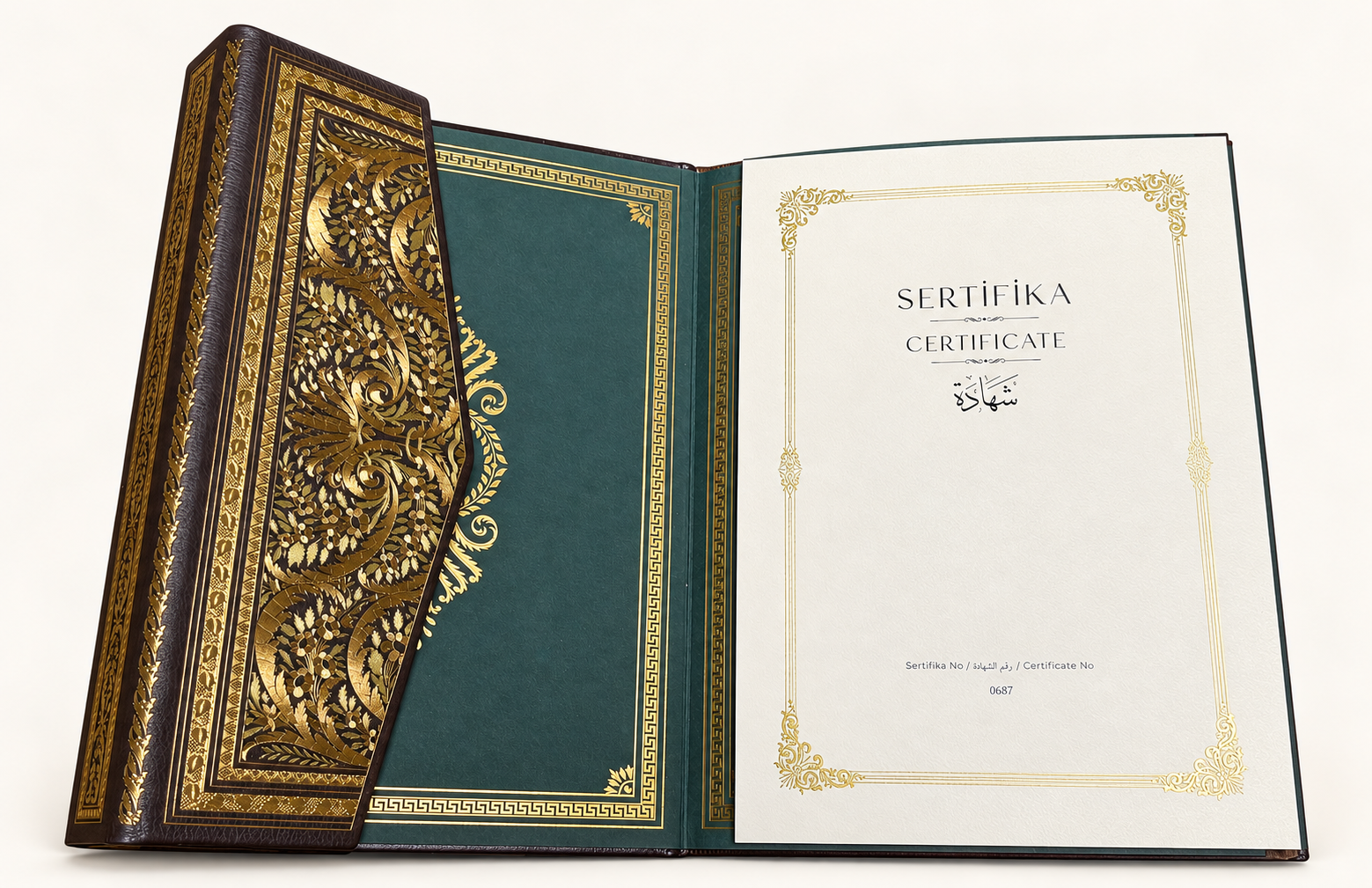
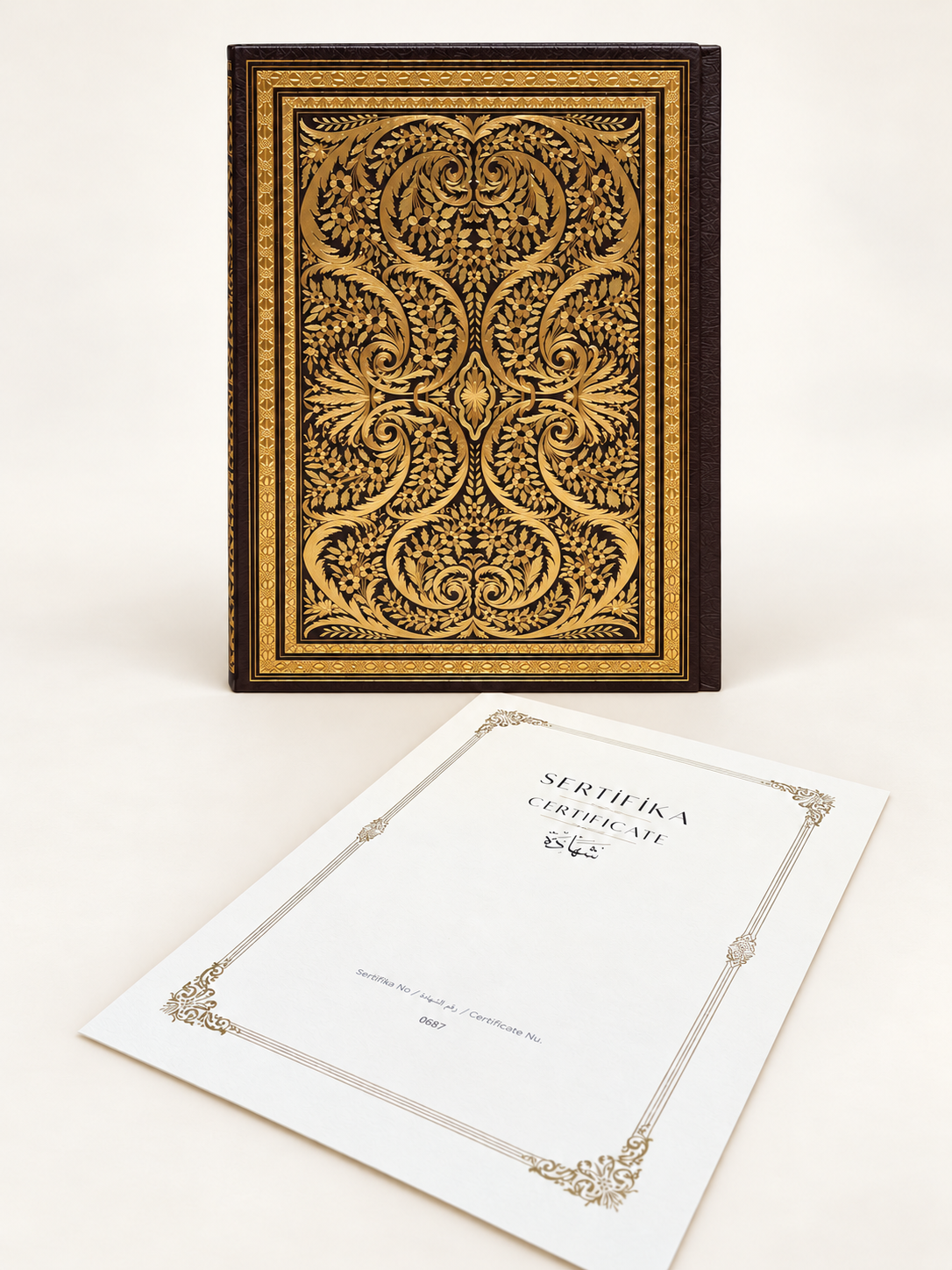
Number Of Copies: 999 pcs - Certified and with a serial number
Dimensions: 21x28 cm
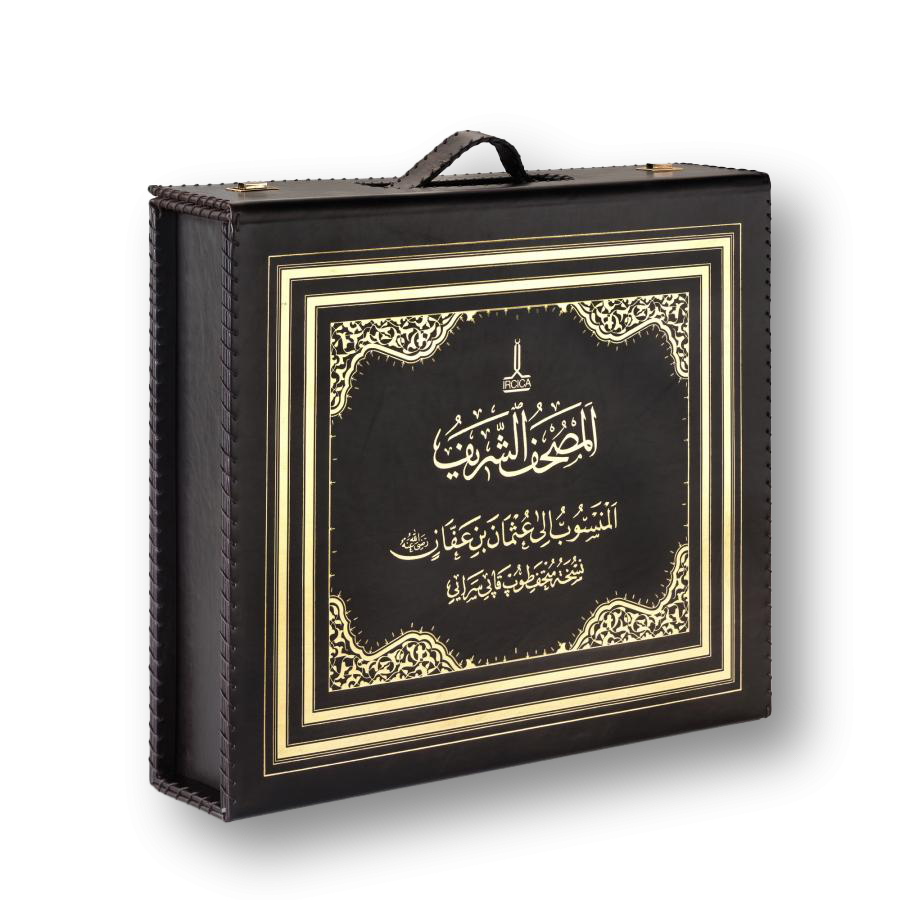
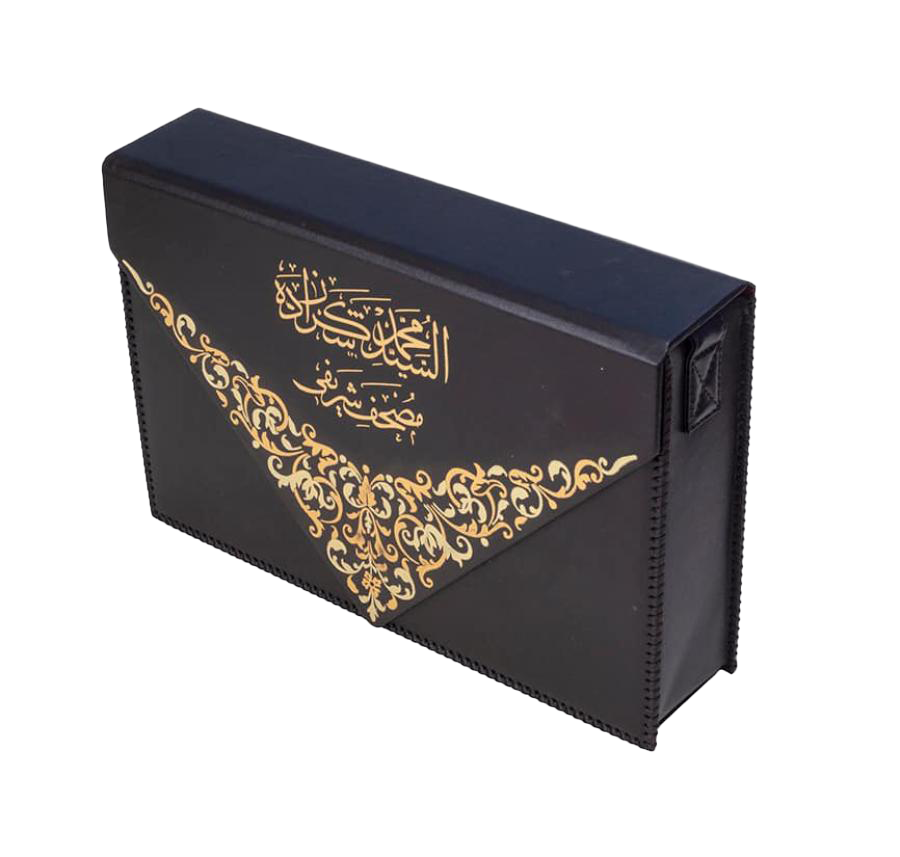
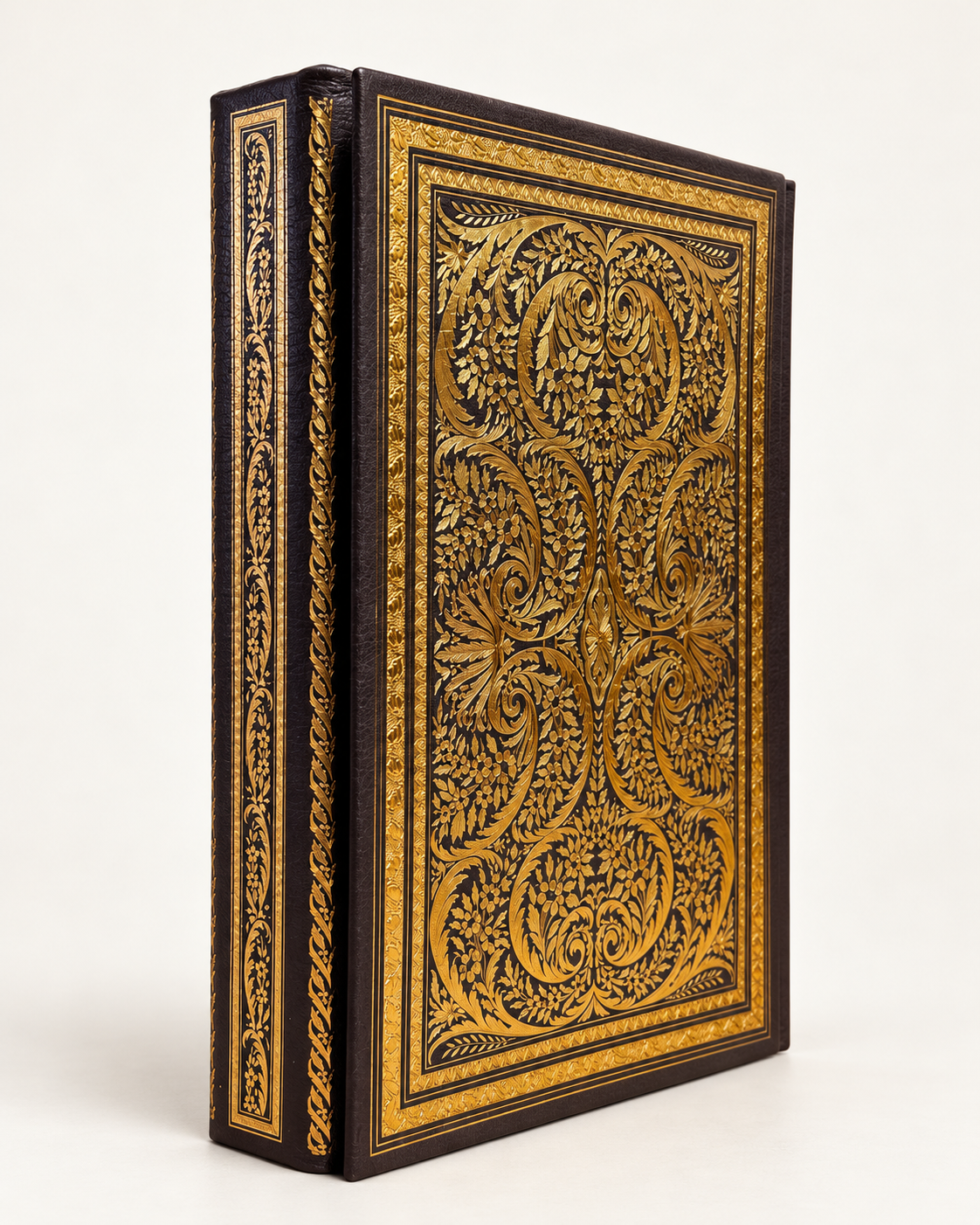
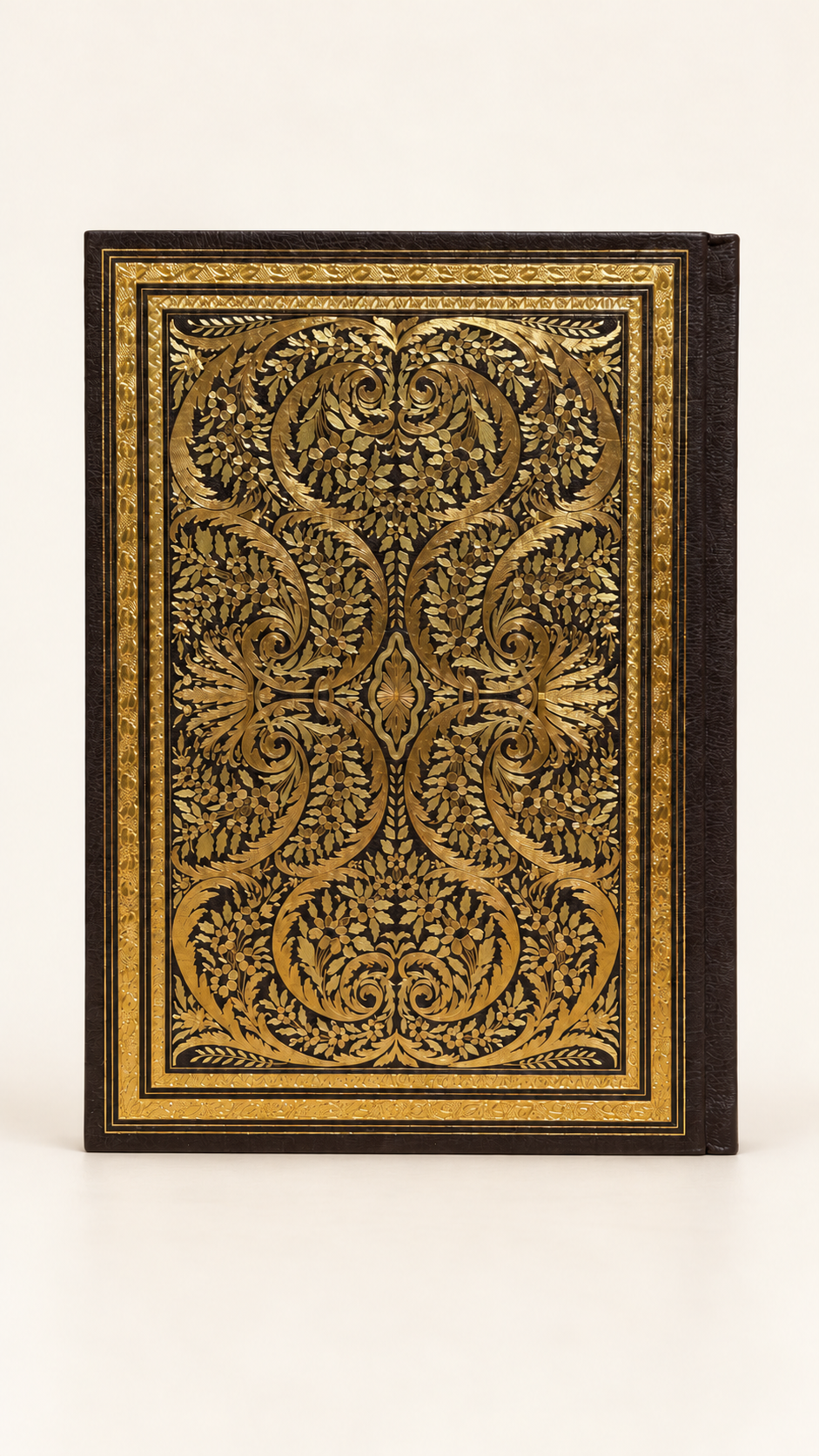
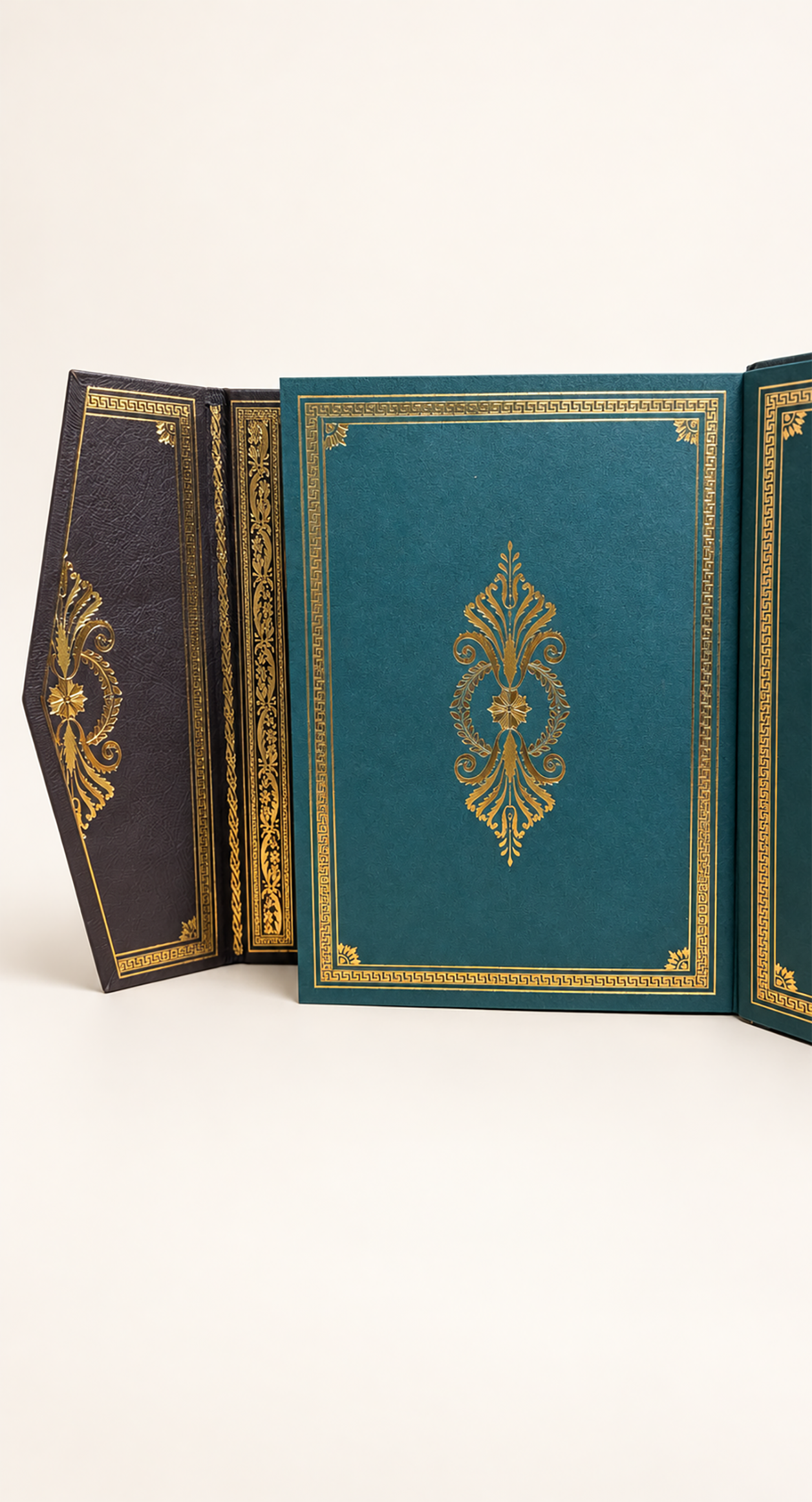
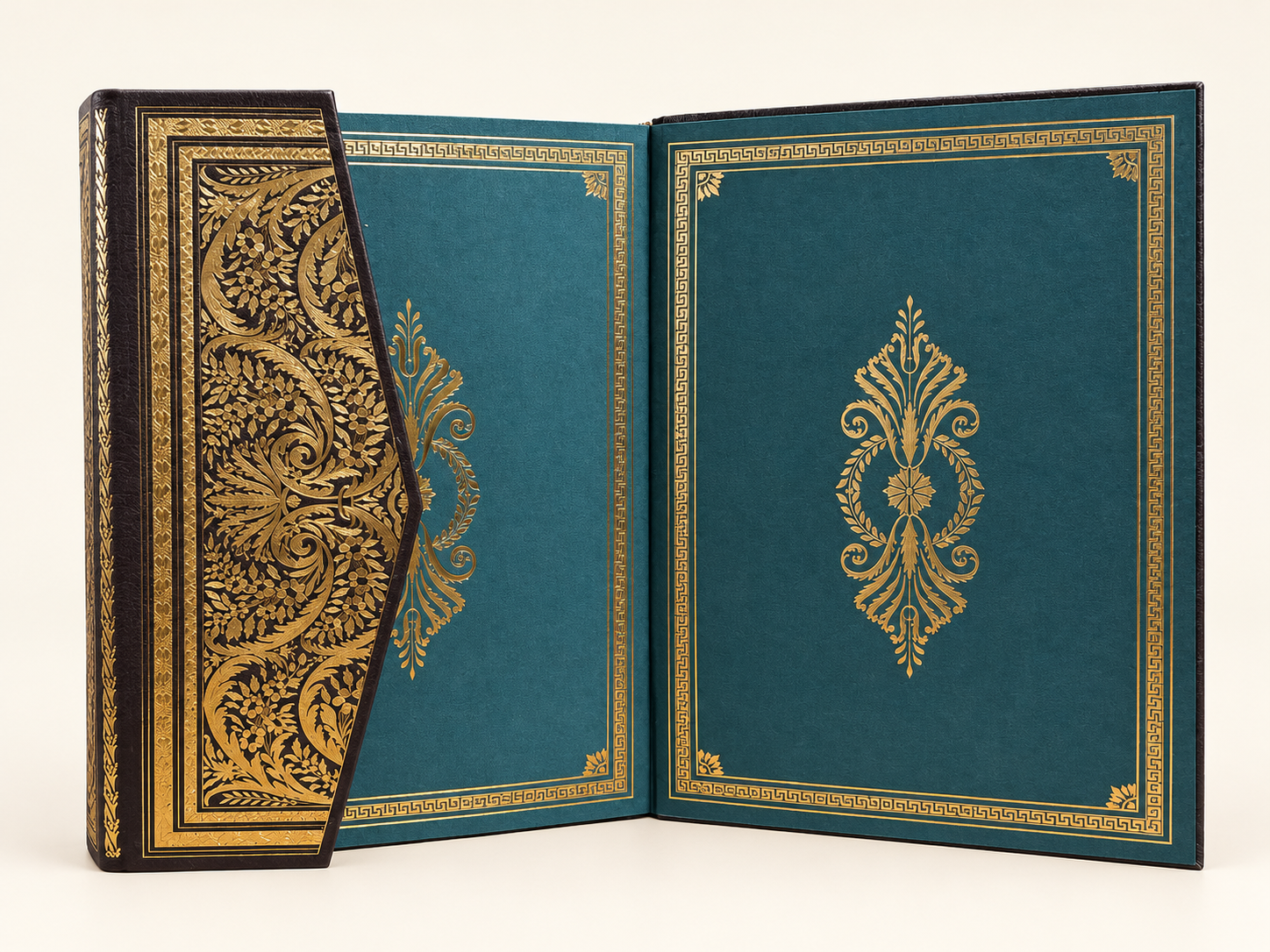
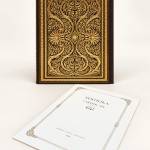
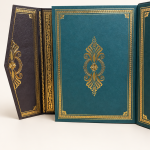
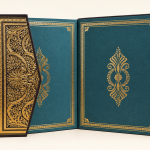
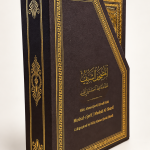
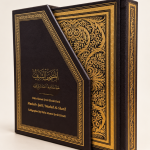
Produced with a genuine leather case and a genuine leather binding.
- SKU:
- MCM.001
- Categories:
- Manuscript Books
- Share:
About the artwork
The Mushaf of Hâfız Ahmed Şevki Efendi:
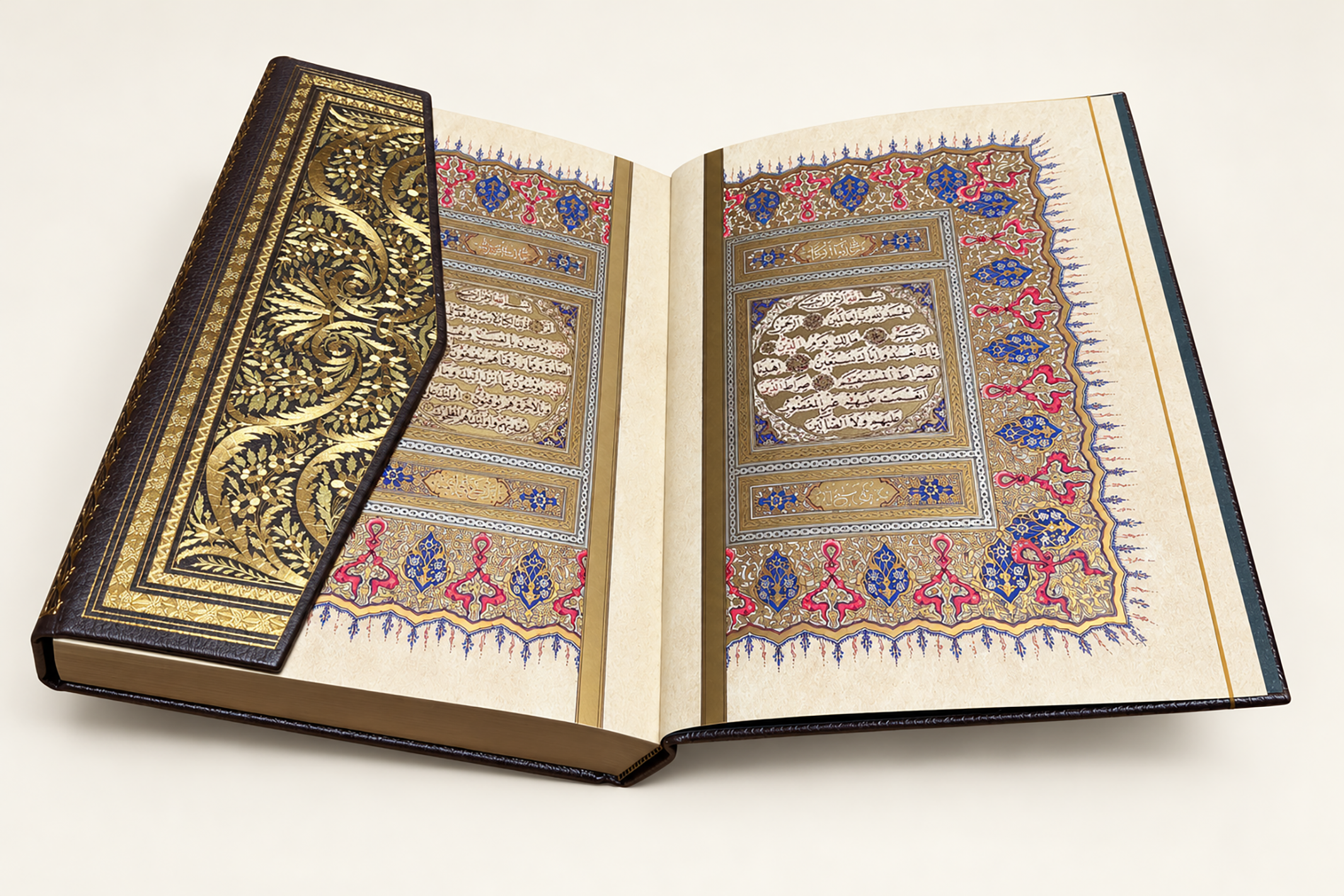
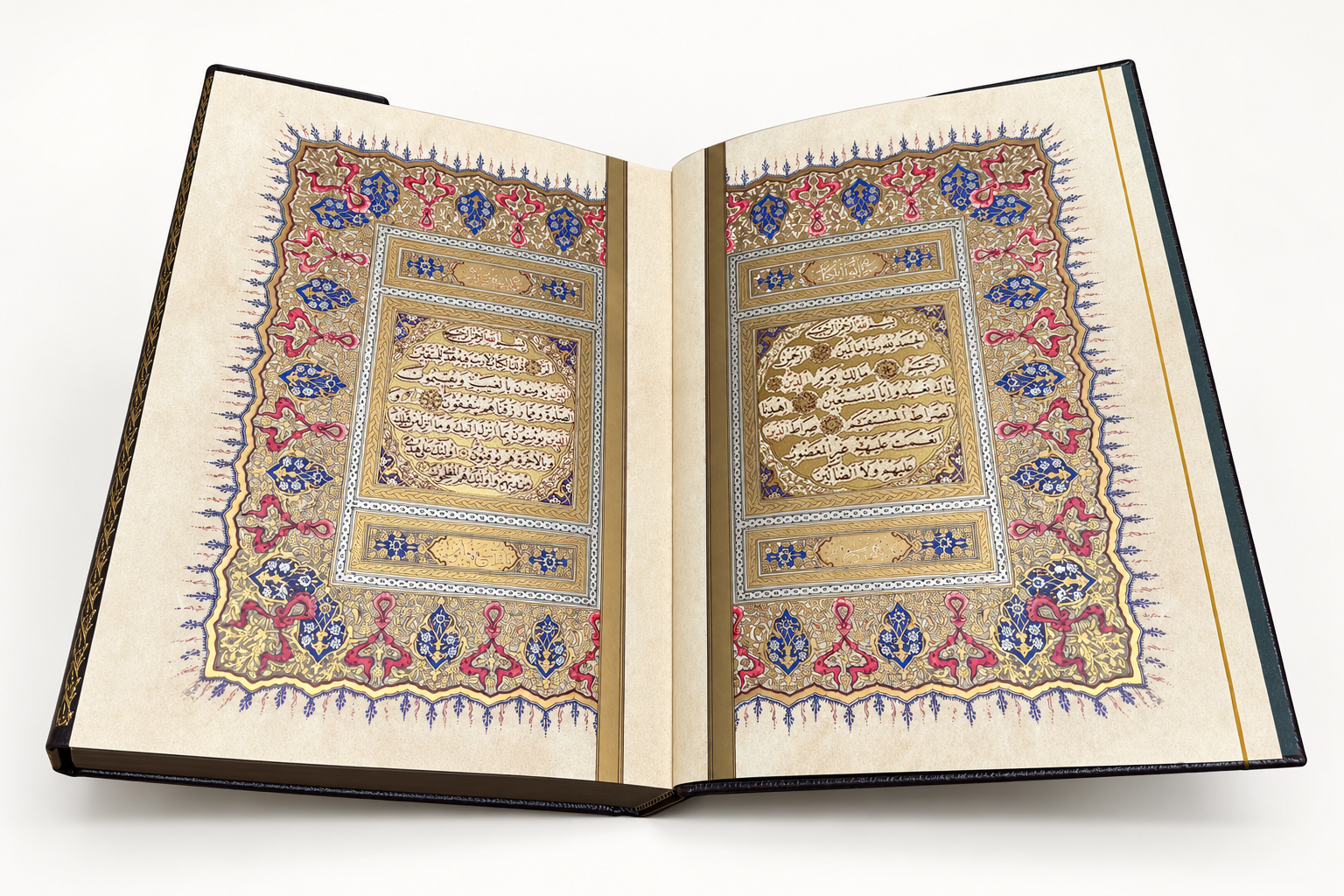
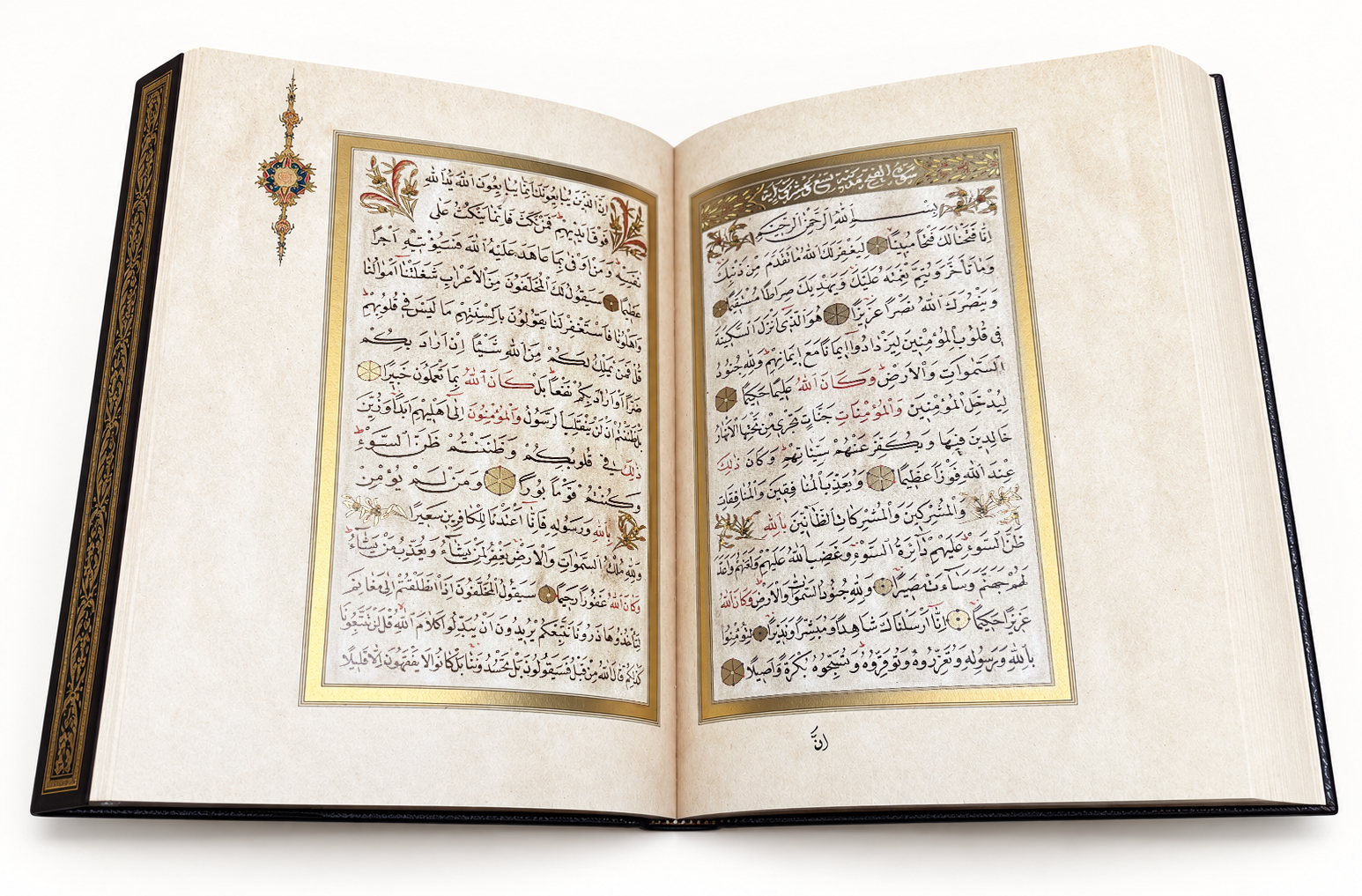
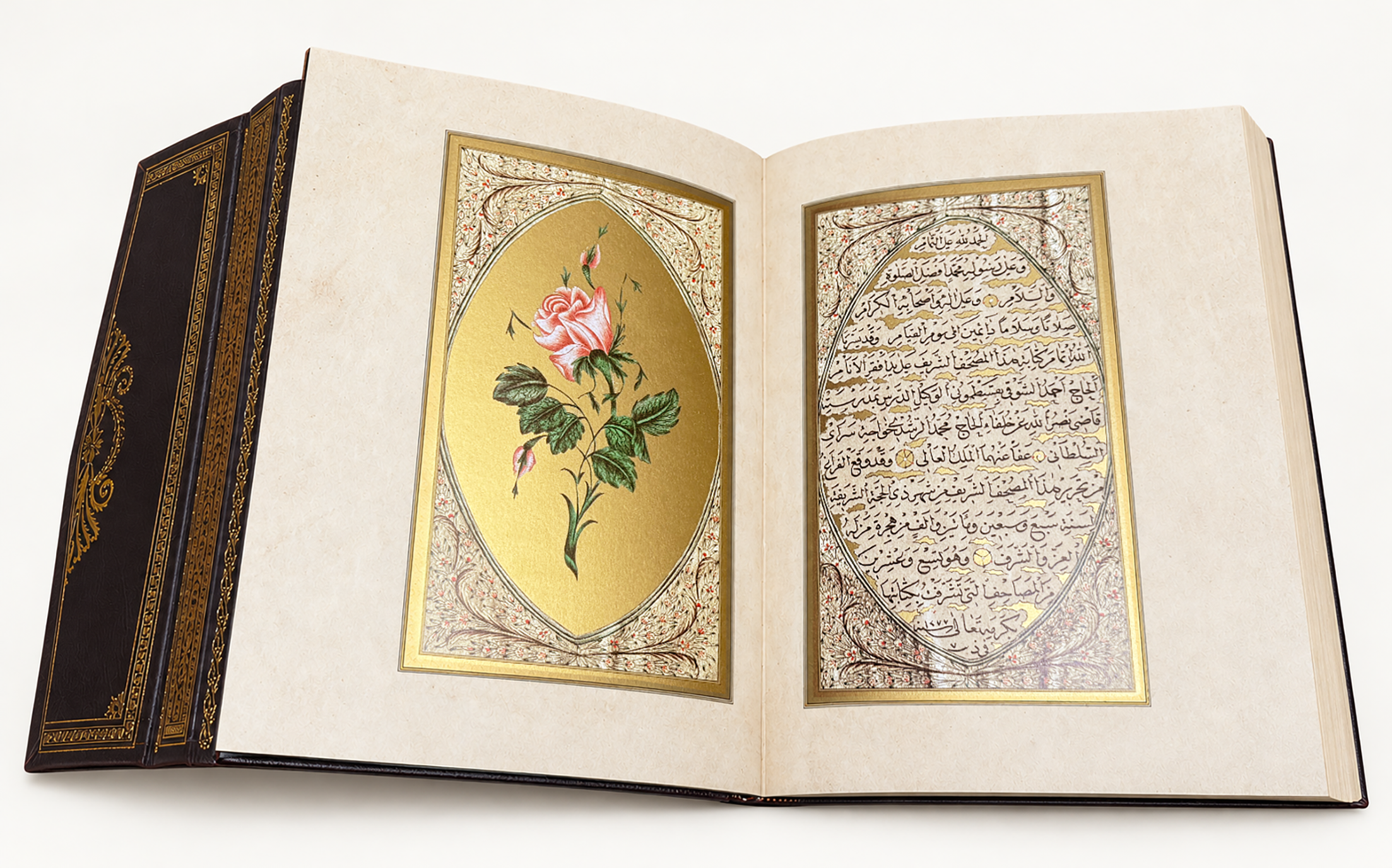
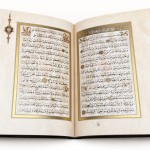
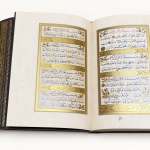
This exceptional copy of the Holy Quran—transcribed in the naskh script by Hâfız Ahmed Şevki Efendi, a muezzin at the Sultan Ahmed Mosque in the 1860s and a distinguished representative of the Ottoman tradition of calligraphy—brings the refinements of the classical art of Ottoman manuscript production into the present day.
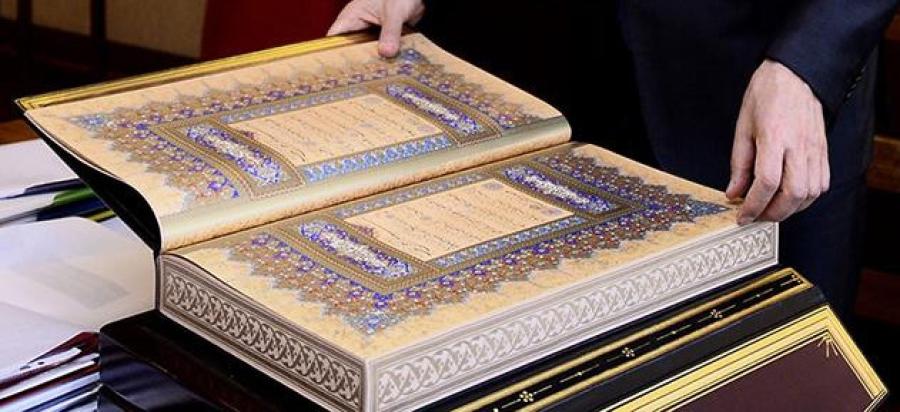
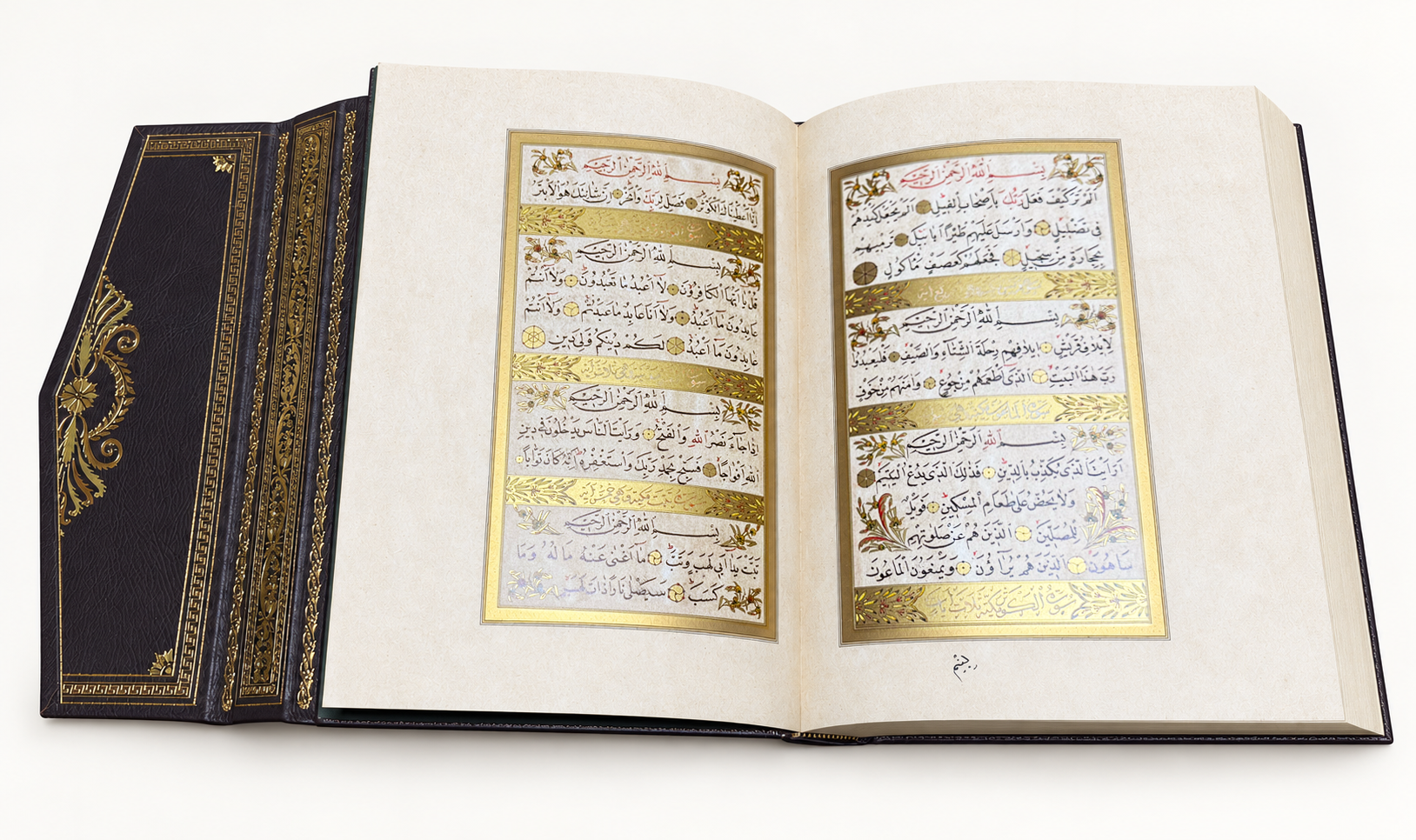
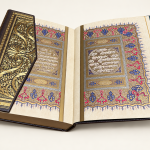
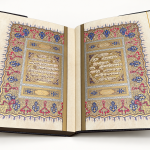
Prepared with a layout featuring *tevafuk* (a specific, symetrically alignment of the text) and *âyetberkenar* (an arrangement where each verse begins at the start of a line), this work unites the aesthetic integrity inherent in the page design of the Holy Quran with the elegance of the art of calligraphy. Meticulously crafted based on the orthography (imlâ) of Aliyyü’l-Kârî, this Mushaf (copy of the Quran) is also notable for its adherence to traditional methods of manuscript transcription. This Mushaf-ı Serif—with its harmonious alignment—is more than merely a transcription of the sacred text; it is an exceptional work of art in which patience, craftsmanship, aesthetics, and spiritual refinement converge.
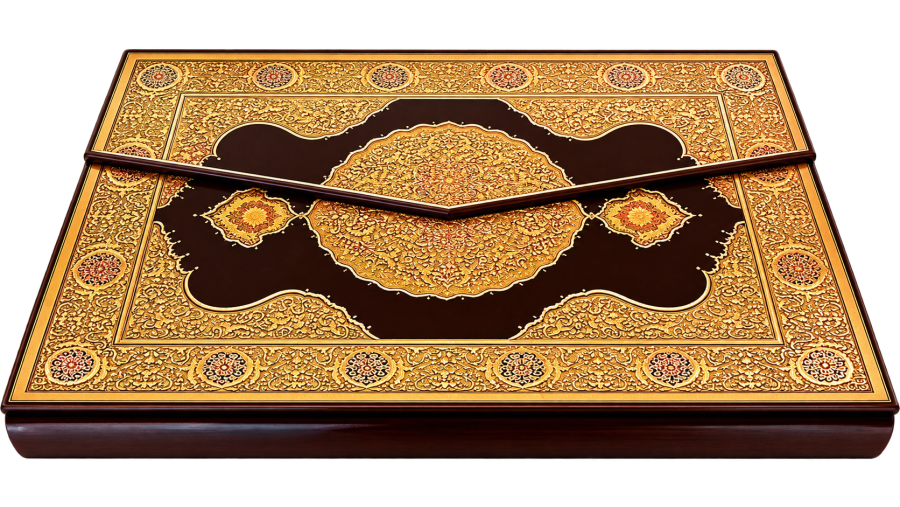
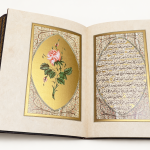
With its meticulously designed custom binding, gold-gilded embellishments, classic decorative style, and artful ornamentation, this rare work is a precious cultural heritage—crafted not merely to be read, but to be preserved through the generations and passed on to those who follow.
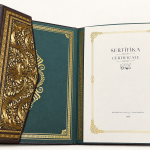
Limited to only 999 copies, this special edition comes with a serial number and a certificate of authenticity. Each copy serves as a meaningful spiritual keepsake that embodies the elegance of our traditional arts and preserves our cultural heritage for future generations; furthermore, as a precious example of our long-standing tradition of transcribing the Mushaf (the Quran), it stands as a true collector’s item.